SCAN Training™
State-Based Cognitive & Affective Navigation
Advanced Behavioral Recognition & Trauma Navigation for First Responders and Military.
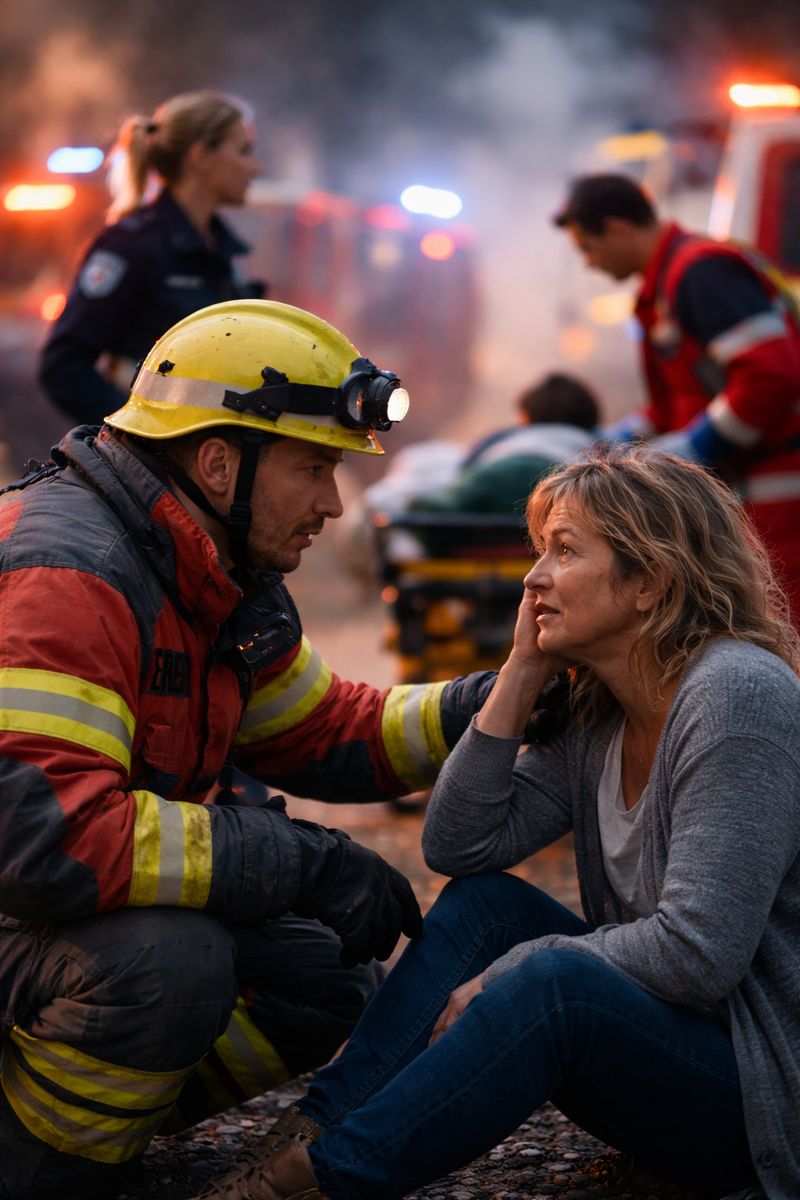
When You Can Read the State, You Can Control the Outcome
In high-stress encounters, escalation rarely comes from intent alone.
It comes from misreading the human nervous system under pressure.
People in crisis do not respond as individuals —
they respond as states.
SCAN Training™ equips first responders and veterans with a repeatable, field-ready system for recognizing those states in real time and choosing responses that:
- Reduce escalation
- Increase compliance and safety
- Protect responder cognition and nervous system health
- Lower long-term PTSD risk
- Improve outcomes for everyone on scene
This is not therapy.
This is operational psychological navigation.
What Is SCAN Training™?
SCAN™ stands for:
State-based
Cognitive &
Affective
Navigation
SCAN Training™ is a four-day, in-person intensive built on the MindPersonas Human Identity Architecture System — a framework that maps how cognition, emotion, body language, and trauma interact under stress.
Rather than teaching responders what to say, SCAN teaches them:
Who they’re dealing with
What state that person is in
What the nervous system can actually process
When to stabilize instead of command
How to intervene without escalating
Why This Training Is Critical Right Now
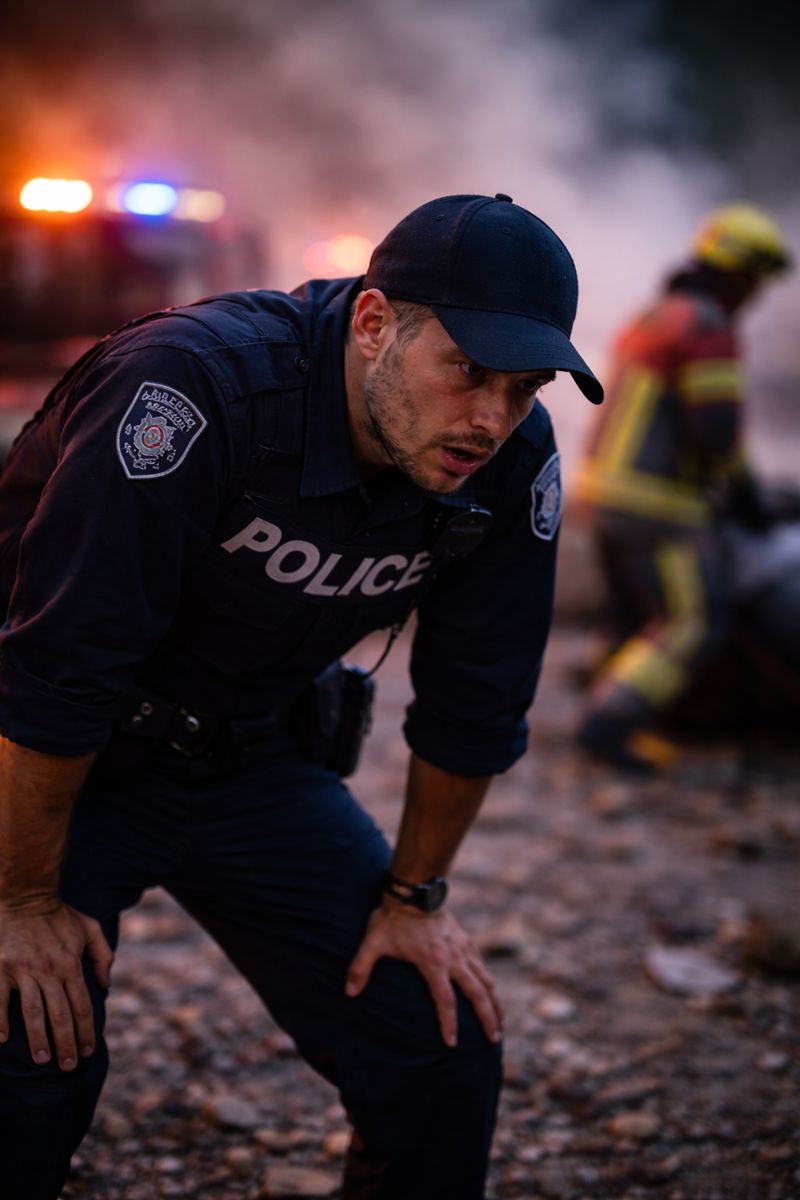
1) Most Escalations Are State Mismatches
Commands that stabilize one nervous system can threaten another.
SCAN Training™ teaches responders how to:
- Identify survival-driven states in seconds
- Adjust posture, tone, pacing, and language
- Maintain authority without triggering trauma responses
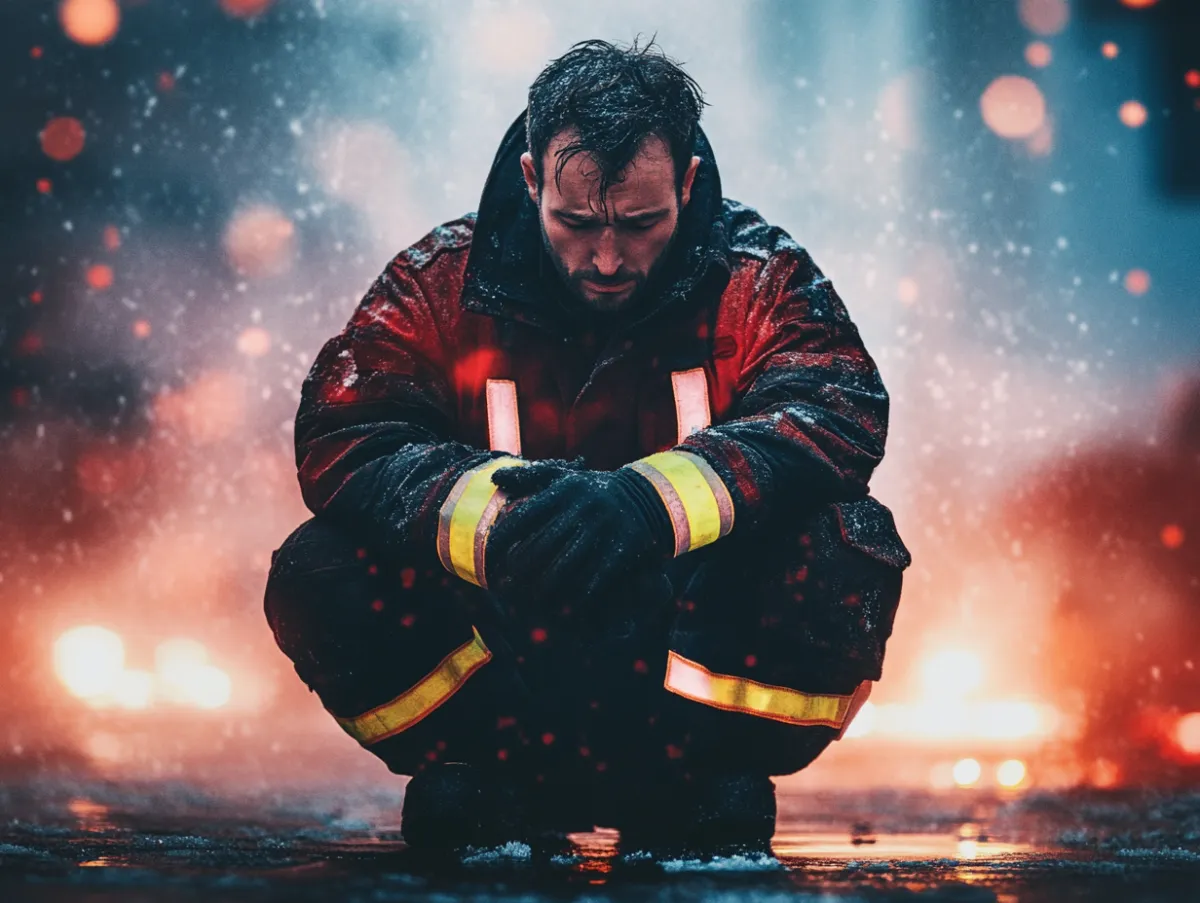
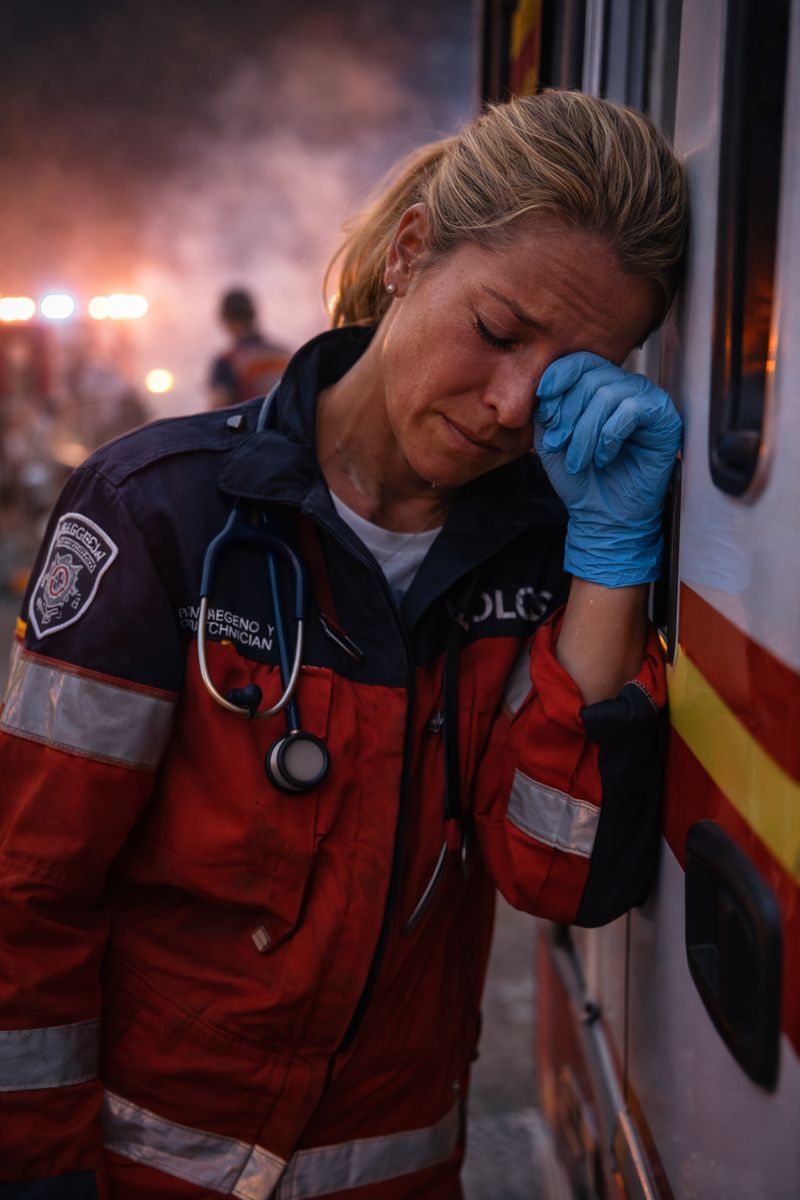
2) PTSD Is Often Operational, Not Personal
PTSD frequently develops from:
- Unresolved stress activation
- Repeated exposure without discharge
- Carrying scenes cognitively and somatically
- Lack of after-action nervous system recovery
SCAN Training™ includes operational PTSD maintenance protocols designed specifically for high-stress professions — without therapy framing.
3) You Can’t De-Escalate What You Don’t Recognize
De-escalation fails when responders speak to the wrong internal system.
SCAN Training™ teaches how to recognize:
- Aggressive survival states
- Dissociative or shutdown states
- Compliance-without-regulation states
- Regulated, accessible states
Recognition comes before response.
The SCAN Training™ Four-Day Intensive
Day 1 — State Recognition Under Pressure
Identify who you’re dealing with in under 30 seconds
Participants learn to read state-based cues through:
- Body posture and movement
- Facial tension and eye behavior
- Breath rhythm and pacing
- Language structure and word choice
Responders are trained to distinguish between:
- Regulated states
- Survival override states
- Trauma-driven cognitive loops
- Dissociation and shutdown
This day establishes the core skill:
Read the state before choosing the tactic.
Day 2 — State-Matched Engagement & Communication
Maintain control without escalation
Participants learn:
- Why common phrases escalate trauma states
- How authority language impacts different nervous systems
- How to adjust stance, tone, pacing, and language without losing command presence
Each state includes:
- What not to say
- What stabilizes the interaction
- What increases resistance or volatility
- How to re-establish control safely
Day 3 — Trauma Loop Recognition & Scene Stabilization
Intervene before escalation becomes force
Participants are trained to recognize trauma loops such as:
- Cognitive repetition
- Emotional flooding
- Time distortion
- Fight, flight, freeze, or fawn cycling
They are then trained in two core SCAN protocols:
🔹 Trauma Loop Breaker Protocol
A rapid neural interruption method used when escalation is imminent.
🔹 STEADY Protocol
A stabilization method used when individuals are overwhelmed, dissociating, or nearing collapse.
Both protocols are:
- Field-safe
- Non-therapeutic
- Immediately deployable
- Designed for real scenes, not classrooms
Day 4 — PTSD Maintenance & Responder Protection
Protect the responder, not just the scene
The final day focuses on:
- After-action state mapping
- Nervous system discharge after incidents
- Preventing stress stacking
- Maintaining cognitive clarity across shifts and careers
Participants learn:
- How to clear residual activation
- How to avoid carrying scenes home
- How to sustain long-term operational effectiveness
What Participants Receive
✔ Four full days of in-person SCAN Training™
✔ State-based behavioral recognition system
✔ BREAK & STEADY protocol certification
✔ Scenario-based simulations and drills
✔ Quick-reference field tools
✔ PTSD maintenance and stress discharge protocols
✔ Eligibility for instructor-level training
Who SCAN Training™ Is For
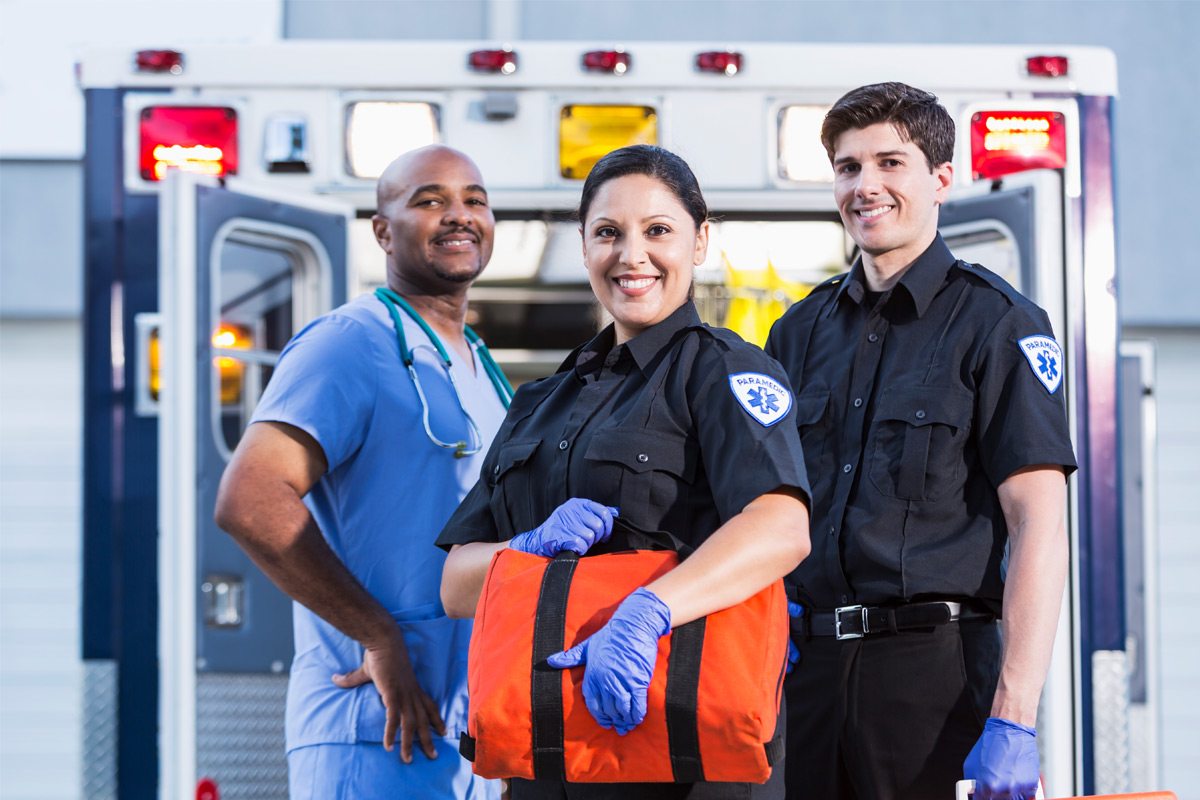
Law Enforcement Agencies
Fire Departments
EMT & Paramedic Units
Military
Crisis Response Teams
Supervisors & Command Staff
Training Officers & Instructors
Why SCAN Training™ Works
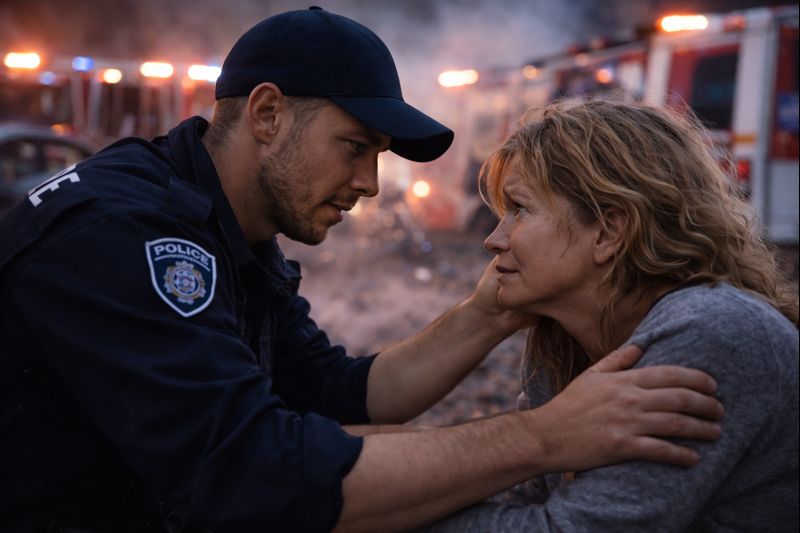
Because it aligns with how the human nervous system actually functions under stress.
Because it replaces guesswork with state awareness.
Because it protects both public safety and responder longevity.
And because the strongest responders are not just tactically trained —
they are psychologically precise.
SCAN Facilitators

Dr. Travis Fox
Co-Creator, SCAN Training™ | Clinical Hypnotherapist | NLP Master Trainer | PhD, Psychology
Emmy Award–Winning Producer
Dr. Travis Fox has worked with military personnel, first responders, and high-stress professionals for over 25 years, specializing in how the human nervous system, identity, and decision-making function under extreme pressure.
With more than 30 years of experience and over one million individuals guided through subconscious transformation, Travis is recognized for his mastery of:
- Hypnotic depth work
- Narrative recoding and cognitive reframing
- Archetypal and identity-based pattern decoding
- Nervous system regulation in high-risk environments
His work focuses on how stress, trauma, and authority collapse cognition into survival states—and how those states can be recognized and navigated without therapy framing, emotional processing, or loss of operational control.
As the lead architect behind the Mind Personas Human Identity Architecture, Dr. Fox helped develop a system that explains why people behave the way they do under stress—and how those behaviors can be predicted, stabilized, and redirected in real time.
Within SCAN Training™, Dr. Fox is responsible for:
- System architecture and behavioral modeling
- Translating trauma science into field-usable protocols
- Designing state-recognition and intervention frameworks
- Ensuring credibility and applicability for military and first-responder environments
His background uniquely bridges psychology, subconscious processing, narrative structure, and operational realism, making SCAN Training™ both deeply informed and immediately usable.
Michelle Fox
Creator, SCAN Training™ | Somatic Hypnotherapist | Certified MindPersona® Mapping Practitioner | Expert Trauma Navigator
Michelle Fox is the Lead Alchemist behind the Mind Personas Human Identity Architecture and the co-creator of SCAN Training™ (State-based Cognitive & Affective Navigation)—a system built for the realities of crisis work, where human behavior shifts in seconds and misreading trauma can change outcomes.
Michelle’s expertise is rooted in a rare combination:
- Deep trauma survival insight (understanding trauma from the inside)
- Somatic and subconscious pattern work (how trauma lives in the body and nervous system)
- Real-world trauma-state decoding (how people behave when they’re overwhelmed, terrified, dissociating, enraged, or collapsing)
Her work focuses on a critical truth first responders encounter daily:
Trauma does not present as one “type” of person.
It presents as state shifts—fight, flight, freeze, fawn, shutdown, looping, and collapse.
Michelle specializes in identifying the patterns that show up on scene:
- Panic and flooding disguised as “noncompliance”
- Dissociation mistaken for defiance or intoxication
- Hypervigilance that looks like aggression
- Compliance that masks collapse
- Victim responses shaped by prior authority-based trauma
She is widely known for her work decoding complex trauma—including institutional and authority-based trauma—and translating it into clear, field-safe frameworks that help professionals respond without escalating, shaming, or re-triggering.
Within SCAN Training™, Michelle leads:
- The SCAN state-recognition model and field application
- Trauma-loop identification and stabilization design
- Victim-state and survivor-state decoding (what responders actually see and misinterpret)
The integration of Mind Personas into a teachable operational system
Michelle ensures SCAN Training™ trains responders to recognize not only “resistance,” but the quieter, more dangerous trauma states that often get missed—states that can lead to escalation, collapse, or long-term harm for both the public and the responder.
FAQs
Your Key Questions Answered: Get Ready with SCAN Training
What distinguishes SCAN Training from other emergency preparedness programs?
SCAN Training™ focuses on state recognition, nervous system awareness, and human behavior under stress, not just tactics or procedures.
Most training teaches what to do.
SCAN teaches responders who they are dealing with, what nervous system state is present, and how to respond in a way that reduces escalation, resistance, and long-term psychological harm.
It is built on the Mind Personas Human Identity Architecture, translating trauma science into field-ready, operational skills.
Is SCAN Training™ therapy or mental health treatment?
No. SCAN Training™ is not therapy, counseling, or mental health treatment.
It is an operational training program designed for real-time crisis environments.
There is no emotional processing, diagnosis, or clinical intervention.
The focus is on:
- Behavioral state recognition
- Communication precision
- Scene stabilization
- Responder nervous system protection
Who is SCAN Training™ designed for?
SCAN Training™ is designed for professionals who operate in high-stress, high-responsibility environments, including:
- Law enforcement
- Firefighters
- EMTs and paramedics
- Veterans and military personnel
- Crisis response teams
- Supervisors, trainers, and command staff
The system is adaptable across agencies and roles.
Is there a certification provided?
Yes. Participants receive SCAN Training™ certification, with optional pathways for:
- Instructor certification
- Train-the-trainer programs
- Advanced protocol integration
Certification standards are maintained to ensure consistency and credibility.
How does SCAN Training™ integrate with OnCourse™?
SCAN Training™ is the on-scene skillset.
OnCourse™ is the off-scene support system.
OnCourse™ provides AI-supported tools for:
- After-action integration
- Nervous system regulation
- Psychological load management
- PTSD risk reduction between calls
Together, they support both performance and resilience.
How long do the SCAN Training™ courses typically last?
The core SCAN Training™ program is delivered as a four-day intensive, designed for deep skill acquisition and real-world application.
Additional formats may include:
- Department-specific adaptations
- Instructor certification tracks
- Ongoing or refresher training modules
Custom scheduling is available.
Is SCAN Training™ evidence-informed?
Yes. SCAN Training™ is grounded in:
- Nervous system science
- Trauma and stress physiology
- Behavioral psychology
- Subconscious pattern recognition
It is informed by decades of work with first responders, military personnel, trauma survivors, and high-stress professionals, and is continually refined through real-world application.
Does SCAN Training™ reduce PTSD and burnout risk?
SCAN Training™ is designed to reduce cumulative psychological load, which is a major contributor to PTSD and burnout.
By teaching responders how to:
- Recognize trauma states accurately
- Prevent unnecessary escalation
- Discharge nervous system activation after incidents
SCAN helps protect long-term cognitive clarity, emotional regulation, and career longevity.
Can SCAN Training™ be customized for specific agencies or environments?
Yes. SCAN Training™ can be tailored for:
- Law enforcement
- Fire and EMS
- Multi-agency response teams
- Military programs
- Supervisory and command-level training
Customization ensures relevance to real operational conditions.
How can we bring SCAN Training™ to our department or organization?
Departments and organizations can request:
- On-site training
- Custom scheduling
- Program consultations
Book a call to schedule your training today.